Floral Geometric Patterns: Design Freedom That Fits Real Life
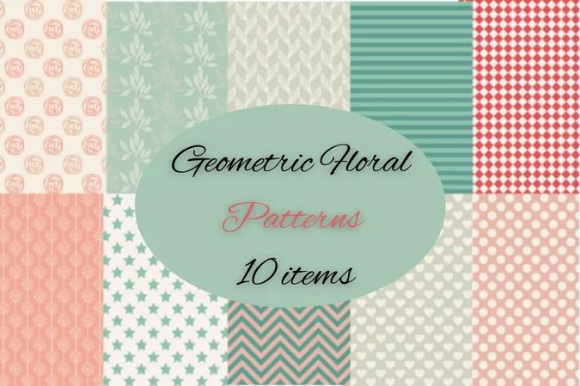
If you’ve ever stared at a blank page—whether it’s a scrapbook layout waiting for personality, a gift box needing charm, or a throw pillow begging for character—you know how much difference the right pattern makes. Floral Geometric Patterns isn’t just another digital download. It’s a practical toolkit of 10 thoughtfully balanced designs that bridge organic softness and crisp structure—so your projects feel intentional, not generic.
What This Collection Actually Does (Beyond Looking Pretty)
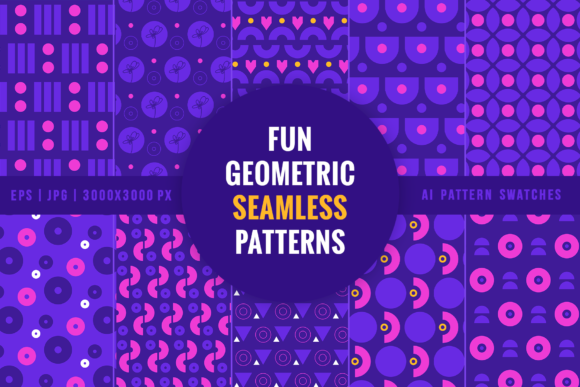
At its core, this set gives you 10 ready-to-use, 12″ × 12″ seamless patterns—each blending botanical motifs (think delicate vines, clustered blossoms, or stylized leaves) with clean lines, tessellating shapes, or rhythmic repeats like hexagons, triangles, or subtle grids. But what sets it apart is how it’s built for doing, not just displaying:
- One editable AI file lets you tweak colors, adjust spacing, or isolate elements—ideal if you’re designing custom stationery or branding assets.
- One editable EPS file ensures compatibility across professional design software, especially useful for print shops or textile studios that require vector precision.
- Ten high-res JPGs are pre-tiled to 12″ × 12″, meaning they drop straight into Canva, Photoshop, or Cricut Design Space without stretching, misalignment, or guesswork.
No hunting for “repeatable” settings. No wrestling with transparency layers. Just open, place, and go—whether you're printing on kraft paper or scaling up for a wallpaper mockup.
Where These Patterns Show Up in Everyday Creativity
Real people use these patterns in ways that reflect real needs—not abstract design theory. Here’s where they quietly shine:
For the Home Decor Enthusiast
You don’t need a degree in interior design to refresh a space. A single 12″ × 12″ pattern can become fabric for throw pillow covers (just upload to Spoonflower), a custom decal for a side table, or even a stenciled border along a bedroom wall. One user told us she printed two of the lighter patterns onto iron-on transfer paper and updated her linen curtains—no sewing required. The floral-geometric balance keeps it fresh but not fussy, modern but not cold.
For the Small-Business Maker
If you sell handmade candles, greeting cards, or ceramic mugs, consistent visual language builds trust. These patterns let you create cohesive product labels, packaging inserts, or social media banners—all from the same visual family. Because each file includes a swatch layer, you can quickly test how a warm terracotta version looks beside your sage-green candle jar before committing to a full print run.
For the Memory Keeper (a.k.a. Scrapbooker)
Scrapbooking isn’t about perfection—it’s about honoring moments. Floral Geometric Patterns offer rhythm without rigidity: a soft rose-and-diamond repeat pairs beautifully with candid photos of kids’ birthday parties, while a bolder leaf-and-triangle combo adds energy to travel layouts. Since all JPGs tile cleanly at 12″ × 12″, you can fill an entire 12×12 scrapbook page without visible seams or awkward cropping.
For the DIY Gift-Giver
Hand-wrapped gifts stand out—not because they’re expensive, but because they’re personal. Print any of these patterns onto matte cardstock, cut to size, and wrap a book, bottle, or small box. Bonus: the geometric structure helps guide clean folds, and the floral detail adds warmth. One teacher used them to wrap end-of-year student gifts—parents still comment on the “thoughtful, not craft-store” look.
Things to Keep in Mind Before You Start
While this collection is designed for ease, a few practical notes help avoid hiccups:
- Resolution matters for large-scale use. The JPGs are optimized for 12″ × 12″ printing at 300 DPI—perfect for scrapbook paper or gift wrap. If you plan to scale one pattern to cover an entire accent wall (say, 8′ × 10′), consider using the editable AI or EPS file to resample cleanly, rather than stretching the JPG.
- Color accuracy varies by device and printer. The files include layered swatches so you can preview how a palette shift affects the overall mood—especially helpful if you’re matching brand colors or coordinating with existing home textiles.
- “Floral Geometric Patterns” aren’t overly literal. You won’t find photorealistic roses tangled in perfect octagons. Instead, the fusion is thoughtful and restrained—ideal for adults who appreciate elegance over busyness. If you prefer maximalist florals or strict minimalism, this set leans toward the middle ground.
Who Benefits Most—and Why
This isn’t a one-size-fits-all asset—but it *is* a great fit for people who value both beauty and efficiency. Consider it ideal if you:
- Design physical products (not just social posts) and need predictable, print-ready files.
- Work across multiple formats—say, creating a wedding invitation suite *and* coordinating napkin prints—and want visual continuity without redesigning from scratch.
- Prefer starting with strong foundations rather than building patterns from zero (which eats time better spent on photography, writing, or hand-lettering).
- Want design flexibility without needing advanced vector skills—because the editable files are structured intuitively, not buried in complex paths.
A graphic designer friend uses the AI file to generate custom wrapping paper for client gift boxes—swapping in brand Pantones in under five minutes. A quilter downloaded the EPS version to import into her embroidery software and stitch a geometric-floral motif onto a baby blanket. A college professor printed three patterns onto vinyl and used them as reusable classroom posters—changing themes each semester without buying new decor.
It’s Not Magic—But It Feels Like It Sometimes
Floral Geometric Patterns won’t write your captions or fold your origami. What it does do is remove friction between idea and execution. When the technical part works smoothly—the tiling aligns, the colors translate, the file opens in your preferred app—you’re free to focus on what really matters: the story behind the scrapbook page, the joy in the wrapped gift, the quiet pride in a room that finally feels like *you*.
That balance—between natural grace and architectural clarity—is why these patterns hold up across contexts. They’re detailed enough to feel special, structured enough to feel grounded, and versatile enough to grow with your projects, not limit them.