Retro Patterns and Flowers: Timeless Design Magic for Real Projects
If you've ever scrolled through a design project and felt something was missing—just a whisper of warmth, a flicker of nostalgia, or that unmistakable charm of mid-century palettes and playful florals—you’re not alone. Retro Patterns and Flowers isn’t just another digital asset pack. It’s a thoughtfully curated collection built for designers, crafters, small business owners, and creative professionals who need authentic retro energy—without the hours spent hunting, tracing, or redrawing.
What Exactly Is Retro Patterns and Flowers?
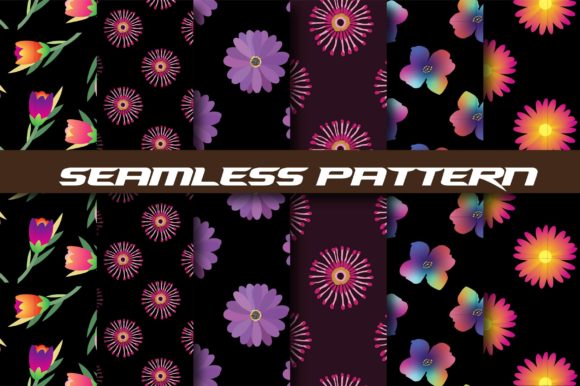
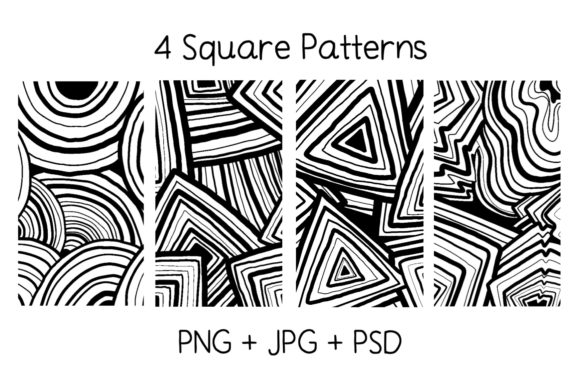
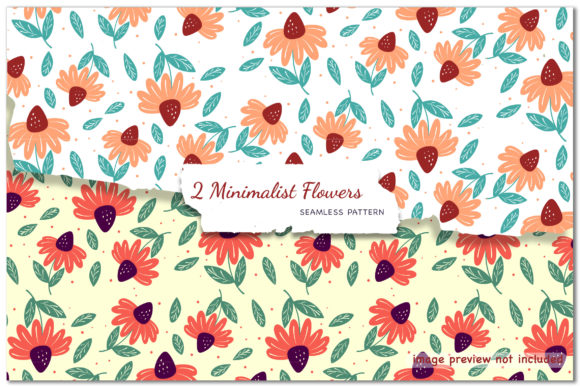
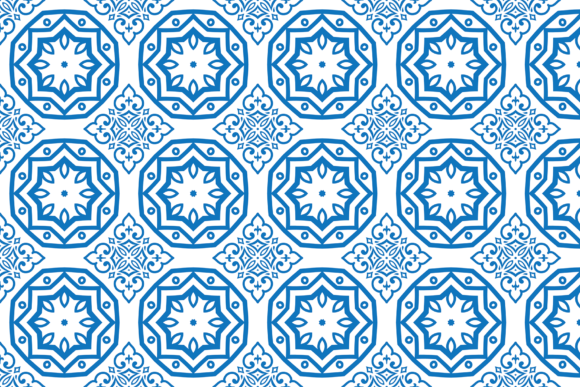
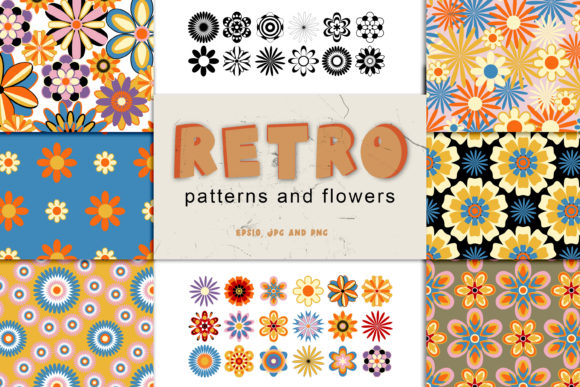
At its core, Retro Patterns and Flowers is a ready-to-use toolkit featuring 12 seamless patterns and 48 hand-styled flower icons—all rooted in vintage aesthetics but engineered for modern workflows. The patterns come in EPS10 (vector), high-res PNG (6000 × 6000px, transparent background), and JPEG (3600 × 3600px, 300DPI) formats. The flowers? 24 colorful and 24 black variants—each available as individual PNGs (300DPI, transparent background) plus consolidated EPS10 files for quick editing or scaling.
Crucially, this isn’t “vintage-inspired” in a vague or generic way. Think bold daisies with subtle halftone texture, swirling mod geometrics with warm mustard and teal undertones, or delicate botanical silhouettes that echo 1950s textile catalogs—not AI-generated approximations, but intentional, cohesive, production-ready assets.
Where These Patterns and Flowers Actually Shine
Design assets live or die by how easily they slot into real work. Here’s where Retro Patterns and Flowers quietly becomes indispensable:
- Small-batch product packaging: A local candle maker uses one of the floral icons as a foil-stamped motif on soy wax labels—or layers a seamless pattern as a soft background behind hand-lettered typography on tea box wraps. No licensing headaches, no pixelation at print size.
- Branding refreshes for heritage-adjacent businesses: A neighborhood bakery rebranding to highlight its 1962 founding year pulls in the muted olive-and-cream pattern for napkin prints and the black-line dahlia icon for their Instagram profile. It feels familiar—not forced—and signals authenticity without shouting “retro!”
- Print-on-demand creators: Artists selling on Etsy or Redbubble use the transparent PNG flowers to build layered digital collages—pairing them with scanned paper textures or handwritten quotes. Because all icons are 300DPI and individually isolated, they scale cleanly onto mugs, tote bags, or wall art up to 12×12 inches.
- Web and UI accents: A boutique interior design studio adds a subtle repeat of the scalloped retro pattern as a background element behind a “Projects” section—low opacity, soft contrast—giving their site visual rhythm without competing with photography.
- Educational and editorial design: A history teacher creating a 1950s American life unit slides deck drops in the black floral icons as bullet points or section dividers. Instant thematic cohesion—no time lost sourcing royalty-free clipart that looks dated *in the wrong way*.
Who Benefits Most—and How They Use It Differently
A freelance graphic designer might open the EPS10 pattern file in Illustrator, recolor swatches to match a client’s Pantone palette, then export as a custom tile for a fabric supplier. Meanwhile, a hobbyist quilter downloads the PNGs, imports them into Procreate, and traces outlines to create custom embroidery motifs. A Shopify store owner drops the JPEG patterns directly into Canva, overlays product photos, and publishes a new banner in under five minutes.
The flexibility isn’t accidental—it’s baked into the format choices. Vector EPS10 means infinite scalability for logos or signage. High-res PNGs mean drag-and-drop usability for non-designers. And having both color and black versions of every flower? That’s for when you need consistency across merch lines (e.g., full-color stickers + minimalist black t-shirts) or accessibility-friendly dark-mode web variations.
Practical Things to Keep in Mind Before You Start
While Retro Patterns and Flowers is built for speed and compatibility, a few real-world considerations help avoid hiccups:
- Seamless ≠ invisible: Even expertly tiled patterns can reveal repetition if stretched too large on huge surfaces (like trade show backdrops). For those, consider using the pattern at 70–80% scale or layering it subtly beneath a photo overlay.
- Color context matters: Retro palettes often include saturated teals, burnt oranges, or dusty pinks—gorgeous on their own, but potentially overwhelming next to neon branding or ultra-minimalist layouts. Try softening with desaturation or using the black icons as neutral anchors.
- Transparency isn’t magic: All PNGs include alpha channels—but if you place them over busy photos or textured backgrounds, test contrast. A light-colored daisy may vanish on a cream linen photo; flipping to the black version (or adding a subtle drop shadow) solves it instantly.
- No mock-ups included: The presentation images you see elsewhere are for visual reference only. This is a working asset collection—not a “plug-and-play” presentation kit. You’ll bring your own layout, brand voice, and creative direction.
Why This Collection Stands Out in a Crowded Space
There’s no shortage of “vintage” design bundles online. What makes Retro Patterns and Flowers different is its balance of intention and utility. These aren’t random scans or algorithmically generated repeats. Every pattern was crafted to tile flawlessly at multiple scales. Every flower icon was drawn with consistent line weight and spacing—so mixing and matching feels harmonious, not chaotic.
It also respects how people actually work today: no outdated file formats, no hidden watermarks, no “premium upgrade” traps for basic features. You get what’s promised—clean, versatile, and quietly sophisticated. Whether you're building a wedding invitation suite with gentle botanical borders or designing a podcast cover that nods to 1970s album art, these assets hold space for your voice instead of drowning it out.
Real Projects, Not Just Pretty Pixels
Think of Retro Patterns and Flowers as the reliable shelf in your digital studio—the one where you reach first when a client says, “Make it feel warm, human, and timeless.” It’s not about replicating the past. It’s about borrowing its confidence, its playfulness, its unapologetic color—and applying it with purpose. Whether you’re printing fabric for a fashion line, illustrating a children’s book with nostalgic warmth, or refreshing a café menu board with tactile charm, these patterns and flowers don’t ask you to change your process. They meet you where you are—with clarity, craft, and quiet retro soul.