Chinese Tradition Seamless Patterns
Chinese tradition seamless patterns offer more than visual appeal—they carry centuries of symbolism, craftsmanship, and cultural continuity. From the auspicious peony representing prosperity to the flowing dragon embodying strength and wisdom, these motifs were never designed in isolation. They were woven into silk robes, carved into temple beams, and printed onto festival paper cuts—all with intention, repetition, and rhythm. Today, that same rhythmic repetition is what makes them ideal as seamless patterns: designs that tile effortlessly across surfaces without visible breaks or seams.
Why Seamless Matters—Now More Than Ever
Modern creative workflows demand flexibility and speed. Whether you’re designing a limited-edition greeting card line, prepping files for embroidery digitizing software, or building printable cupcake toppers for a Lunar New Year pop-up shop, consistency and scalability are non-negotiable. A true seamless pattern eliminates manual tiling, reduces pixelation risk at scale, and ensures clean edges when cut on a Cricut or Silhouette machine. Unlike static clipart or isolated icons, seamless patterns adapt fluidly—from a 2-inch cupcake topper to a 24-inch scrapbook layout—without distortion or repetition fatigue.
This shift reflects broader changes in how creators work: less time spent editing, more time spent expressing. With rising demand for culturally grounded design (especially among Gen X and millennial audiences seeking authenticity), Chinese tradition seamless patterns meet both aesthetic and narrative needs—not just “looking beautiful,” but communicating meaning through familiar, respectful iconography.
How This Set Fits Real Creative Workflows
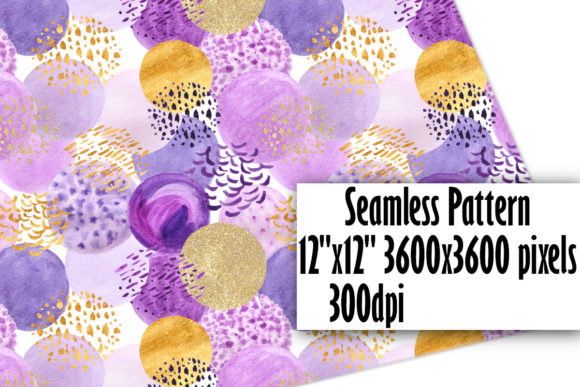
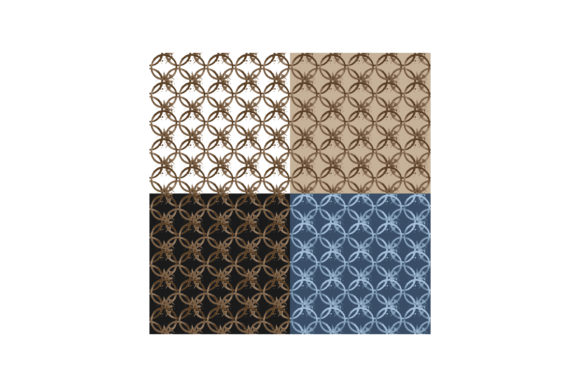
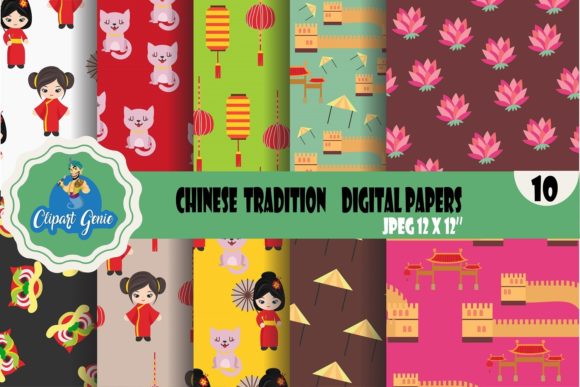
The Chinese Tradition Seamless Patterns set was built with practicality in mind—not as decorative afterthoughts, but as production-ready assets. You receive 10 distinct elements, each delivered as a high-resolution JPEG file (3600×3600 pixels, 300 dpi) with a pure white background. That means no extra clipping or masking before use in embroidery software, no transparency conflicts when layering over textured paper in digital scrapbooking, and no color bleed when printing on kraft cardstock for artisanal greeting cards.
Here’s how users are applying them right now:
- Greeting cards: Tiling a subtle cloud-and-crane motif across the full front panel creates elegance without overwhelming handwritten messages—ideal for weddings, birthdays, or teacher appreciation.
- Embroidery projects: Designers import individual pattern tiles into Hatch or Embrilliance, then auto-generate fill-stitch repeats for quilt blocks or tote bag linings—saving hours versus hand-drawing repeats.
- Cupcake toppers: Scaling a small section of a plum blossom repeat ensures crisp detail even at 1.5 inches; the white background allows clean cutouts using standard craft cutters.
- Scrapbooking & journaling: Layering a soft jade-green wave pattern beneath photos adds quiet cohesion to memory pages centered on family heritage or travel to China.
- Digital product packaging: Small-batch tea brands use scaled-down versions as border elements on labels—reinforcing origin story without crowding minimalist typography.
More Than Aesthetic—Cultural Resonance in Context
It’s worth noting that interest in Chinese tradition seamless patterns isn’t driven solely by trend cycles. It’s tied to deeper shifts: growing global curiosity about East Asian aesthetics beyond stereotypes, increased cross-cultural collaboration in design communities, and educators seeking inclusive visual resources for art and history curricula. Teachers use simplified versions in classroom printables; wedding planners incorporate them into bilingual invitations; indie stationery makers pair them with English calligraphy to reflect bicultural identities.
What sets this collection apart is its restraint. There are no exaggerated dragons with cartoonish fangs or oversimplified “lucky” symbols stripped of context. Instead, motifs like the ruyi scepter (symbolizing fulfilled wishes), the double happiness character (shuangxi), and interlocking lingzhi mushrooms (representing longevity) appear in balanced, repeatable arrangements—honoring their roots while functioning cleanly in contemporary layouts.
Technical Clarity Meets Creative Freedom
Each JPEG file arrives at 3600×3600 pixels and 300 dpi—not oversized to slow down your workflow, not undersized to limit output options. At this resolution, you can confidently print at up to 12×12 inches at full quality, or zoom into a 300-pixel segment for laser-cut stencils. The white background isn’t just convenient—it’s intentional. It supports immediate use in vector-based tools (like Illustrator’s Image Trace), avoids blending mode surprises in Canva or Photoshop, and ensures legibility when overlaid on light-colored physical substrates like ivory linen or bamboo paper.
No hidden layers. No PSD dependencies. No subscription lock-in. Just ten ready-to-use files—designed to integrate smoothly whether you’re working solo at midnight or managing a team of freelancers across three time zones.
Supporting Ethical, Informed Use
Using traditional motifs carries responsibility—and this set supports it. Documentation (included with download) briefly outlines the origin and common interpretations of each motif, helping creators avoid misapplication. For example, the phoenix (fenghuang) is traditionally paired with the dragon to represent marital harmony—not used alone as a generic “rebirth” symbol. Knowing that helps designers choose appropriate contexts, whether illustrating a wedding suite or crafting educational materials for middle-school art classes.
This attention to context aligns with evolving platform standards and audience expectations. Social media algorithms increasingly prioritize content demonstrating cultural awareness; customers respond more positively to brands that show respect through accurate representation—not just surface-level decoration.
Realistic Integration—Not Just Inspiration
You don’t need to be a graphic designer to benefit from Chinese Tradition Seamless Patterns. Hobbyists report success using them directly in free tools like Photopea or even Microsoft Word’s background-fill feature. Educators paste tiled sections into Google Slides for visually grounded lesson openers. Small business owners apply them as subtle website dividers or email newsletter footers—adding texture without sacrificing readability.
One freelance illustrator shared how she uses a single floral repeat as a base layer beneath hand-drawn botanical sketches—creating depth while keeping her style recognizable. Another small-batch candle maker tiles a soft bamboo motif along the side of her soy wax label, reinforcing her brand’s emphasis on natural balance and quiet resilience.
These aren’t hypothetical use cases. They’re happening now—because the files are built for accessibility, not exclusivity.
Looking Ahead—Without Overpromising
Will Chinese tradition seamless patterns dominate every design trend report next year? Probably not—and that’s okay. Their value lies in quiet utility, not viral hype. As remote work continues reshaping creative economies, demand will grow for assets that bridge cultural specificity and technical reliability. Tools evolve, platforms change, but the need for meaningful, well-built, ethically considered visual resources remains steady.
This set doesn’t try to replace deep study of Chinese textile history or substitute for collaboration with cultural consultants. Instead, it offers a trustworthy starting point—grounded in research, tested in real projects, and built to last across formats and years. Whether you’re prototyping your first greeting card series or expanding an established product line, it meets you where you are: hands-on, deadline-aware, and meaning-minded.
Happy crafting—thoughtfully, intentionally, and with room to grow.